












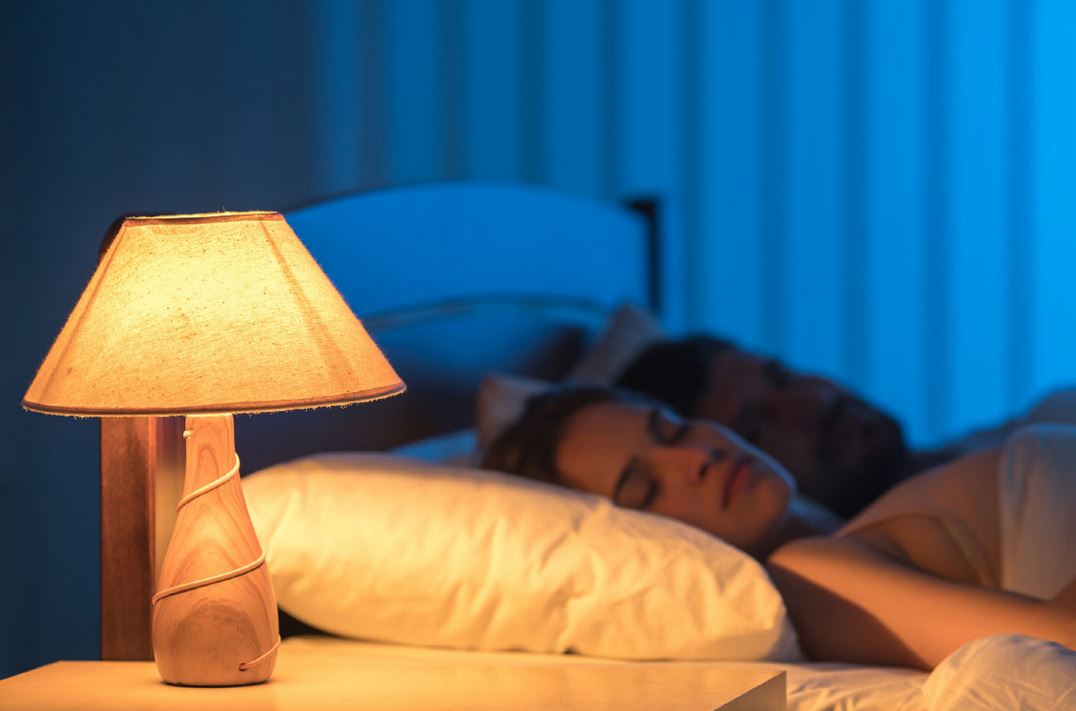
Many of us sleep with the lights on every night, whether we want to or not. Some of us do it simply because we prefer our room to be lit up while we slumber, and others do it because our partner prefers the room to be this way as well. If you fall into either category, then you’re doing yourself (and your partner) a major disservice—and you might be doing more than that if you aren’t aware of what could happen by sleeping with the lights on at night.
What sleeping with the lights on could mean
While it may not be the most comfortable way to sleep, it turns out that sleeping with the lights on could actually be good for your health. For one, it can help prevent falls and injuries in the middle of the night. Additionally, sleeping with the lights on can also help you get a better night’s sleep. And finally, if you suffer from seasonal affective disorder (SAD), sleeping with a light on can help improve your mood and energy levels during winter months.
Mental benefits
While there are some benefits to sleeping with the lights on, such as feeling safer or being able to see if someone is in the room, there are also some potential drawbacks. For example, exposure to light at night can disrupt your body’s natural sleep cycle and lead to insomnia. Additionally, research has linked nighttime light exposure to an increased risk of obesity and diabetes. So, if you’re struggling to sleep with the lights off, it might be worth considering some of the potential risks before making a decision.
Physical benefits
While there are some benefits to sleeping with the lights on, such as feeling more secure or being able to see if someone is in the room, there are also some potential drawbacks. Sleeping with the lights on can disrupt your body’s natural sleep cycle, which can lead to fatigue and other health problems. Additionally, exposure to artificial light at night can interfere with your body’s production of melatonin, a hormone that helps regulate your sleep-wake cycle.
When it isn’t a good idea
While there are some benefits to sleeping with the lights on – like feeling more secure – there are also some serious drawbacks. Studies have shown that sleeping with the lights on can disrupt your sleep, which can lead to a whole host of health problems. So if you’re looking to get a good night’s sleep, it’s best to keep the lights off.