












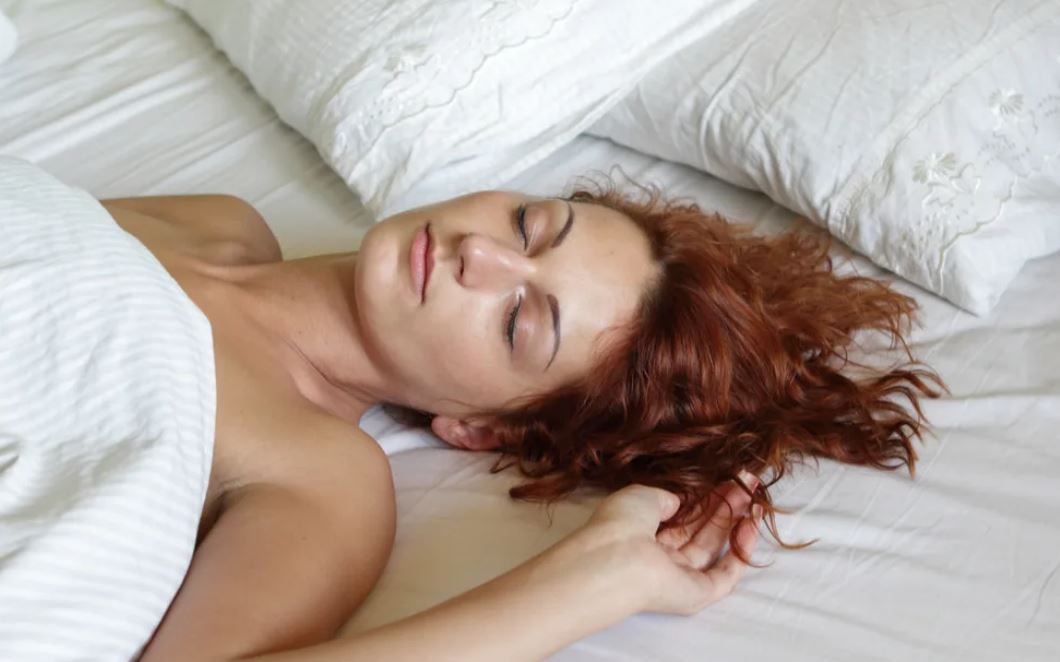
Sleeping with wet hair has long been thought to be detrimental to health, so much so that many doctors and sources advise against it. However, recent research suggests that this may not be true, that there’s no reason why you shouldn’t sleep with wet hair if you want to, and the only thing you need to worry about is dandruff and getting sick from your pillowcase. However, we’ll take a look at both sides of the argument here, so you can decide for yourself whether or not you should sleep with wet hair.
Introduction
We’ve all been there – you’re exhausted after a long day, you just want to jump into bed, but you still need to shower. So you opt for the quick fix and go to bed with wet hair. But is this really that bad for your health? Let’s take a look at the science behind wet hair and sleep.
Why Sleeping With Wet Hair Can Cause Problems
When you sleep with wet hair, your pillowcase absorbs the moisture from your strands. This can lead to a buildup of mold and mildew, which can cause scalp irritation, dandruff, and even hair loss. Additionally, sleeping with wet hair can strip your strands of their natural oils, leading to dryness and breakage. And if you have long hair, wet strands can become tangled overnight, causing more breakage when you try to comb it out in the morning.
So, What Are The Solutions?
Washing your hair at night can save you time in the morning, but it might not be the best thing for your health. So what are the solutions? You could try wearing a shower cap to bed, sleeping on a satin pillowcase, or using a leave-in conditioner. Whatever you do, make sure you’re gentle with your hair to avoid damaging it.
Useful Tips
You’ve probably heard that sleeping with wet hair is bad for your health. But is it really? Here are a few things to consider
Conclusion
While there isn’t a ton of scientific evidence to support the claim that sleeping with wet hair is bad for your health, there are a few things to consider. First, wet hair can be a breeding ground for bacteria and fungus, which can lead to scalp infections. Second, wet hair can be more susceptible to breakage, which can lead to split ends and frizz. And lastly, if you have long hair, sleeping with it wet can put unnecessary stress on your strands, which can lead to damage.